Transform by Renewing Counseling
Transformation by the renewal of your mind


What is psychotherapy?
Psychotherapy is a form of treatment that involves talking with a trained professional to address emotional, psychological, and behavioral challenges. Through various therapeutic techniques, individuals can gain insight into their thoughts, feelings, and behaviors, helping them understand the root causes of their challenges. Psychotherapy is typically a collaborative process between the individual and the therapist, with the goal of fostering self-awareness, personal growth, and improved mental well-being.


Practice Preferences



CBT


DBT
Models
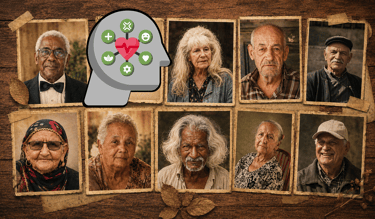
There are several different types/models of psychotherapy, each tailored to specific needs and preferences. Cognitive Behavioral Therapy (CBT) focuses on changing negative thought patterns and behaviors. Dialectical Behavior Therapy (DBT) emphasizes self-acceptance, emotional regulation, and developing healthier coping strategies. Life Review Therapy (LRT) focuses on exploring and integrating life experiences to enhance meaning, coherence, and emotional resolution. Reminiscence Therapy (RT), conducted in a group format, emphasizes the structured sharing of past memories to promote connection, identity, and psychological well-being.
Which models of psychotherapy are practiced?

LRT


RT


In-Between
Person-Centered


Goal-Oriented
Approaches
Approaches to treatment may vary depending on the individual’s needs, goals, preferences, and life experiences. A person-centered approach emphasizes empathy, authenticity, active listening, and unconditional positive regard while supporting individuals in exploring their thoughts and experiences at their own pace. A goal-oriented approach focuses more directly on identifying specific symptoms, behavioral patterns, or concerns and developing structured interventions with measurable objectives. An in-between approach integrates both emotional exploration and practical skill development, allowing therapy to remain flexible while still maintaining direction and progress toward meaningful goals. A trauma-informed approach recognizes the impact trauma can have on emotional, psychological, and physical wellbeing and emphasizes safety, trust, collaboration, empowerment, and sensitivity throughout the therapeutic process. Together, these approaches allow treatment to be individualized and responsive to the unique strengths, challenges, and experiences of each person.
Which approaches to treatment are used?
Trauma-Informed
Empathy


Active Listening


Paraphrasing


Motivational Interviewing
Styles
Multiple therapeutic techniques are integrated into practice. Active Listening involves giving full attention to the individual, using verbal and nonverbal cues to show understanding and engagement. Empathy fosters a deep emotional connection by validating the individual’s feelings and demonstrating genuine understanding of their experiences. Paraphrasing helps clarify and reflect back the individual’s thoughts, ensuring they feel heard. Motivational Interviewing builds on these skills by guiding individuals to explore their ambivalence, and strengthen their motivation for change.
Which therapeutic styles are implemented?






Schedule your FREE CONSULTATION now
Fairfax City, Virginia
571-412-1002
transformbyrenewing@gmail.com


© 2024 - 2026 Transform by Renewing Counseling LLC